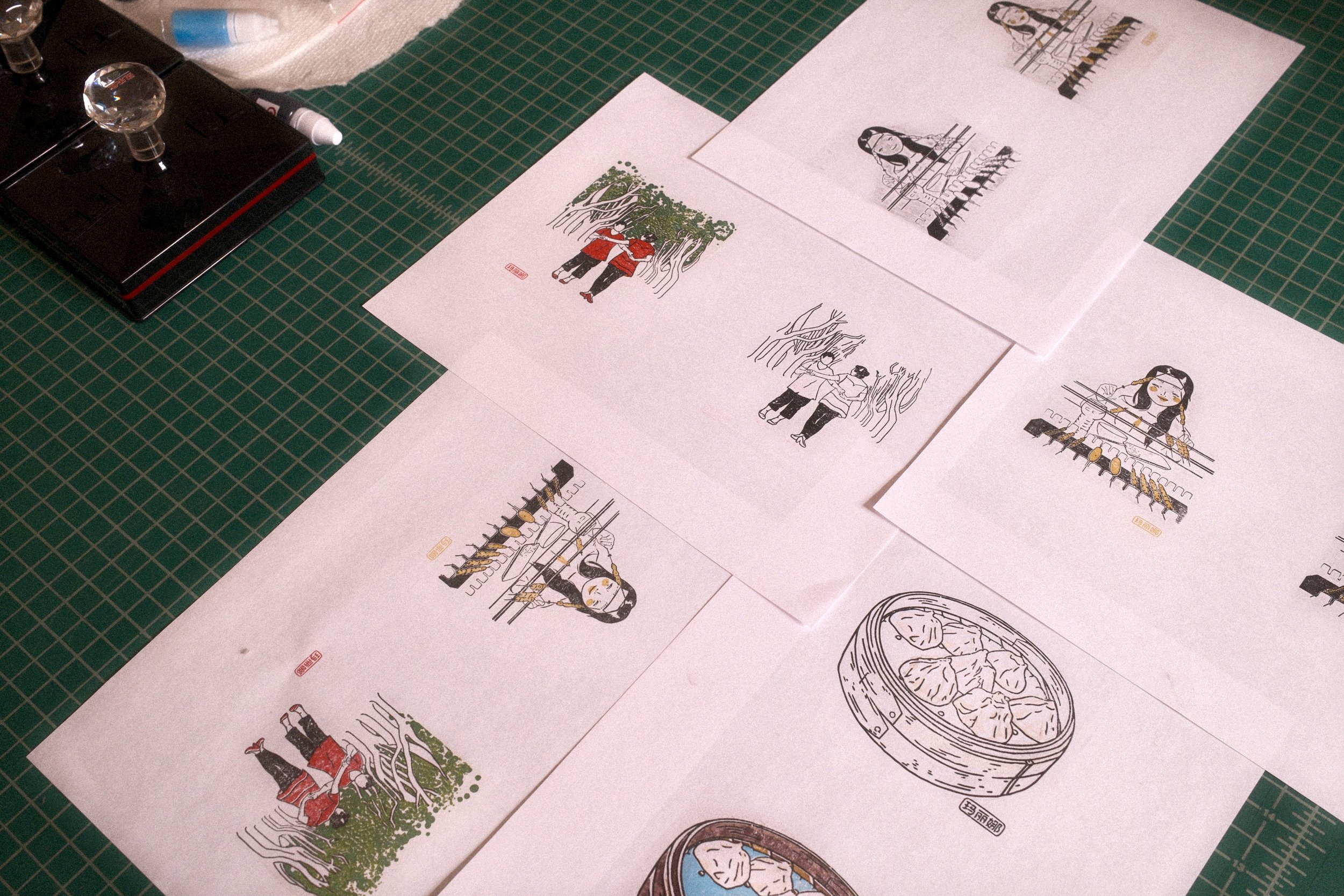
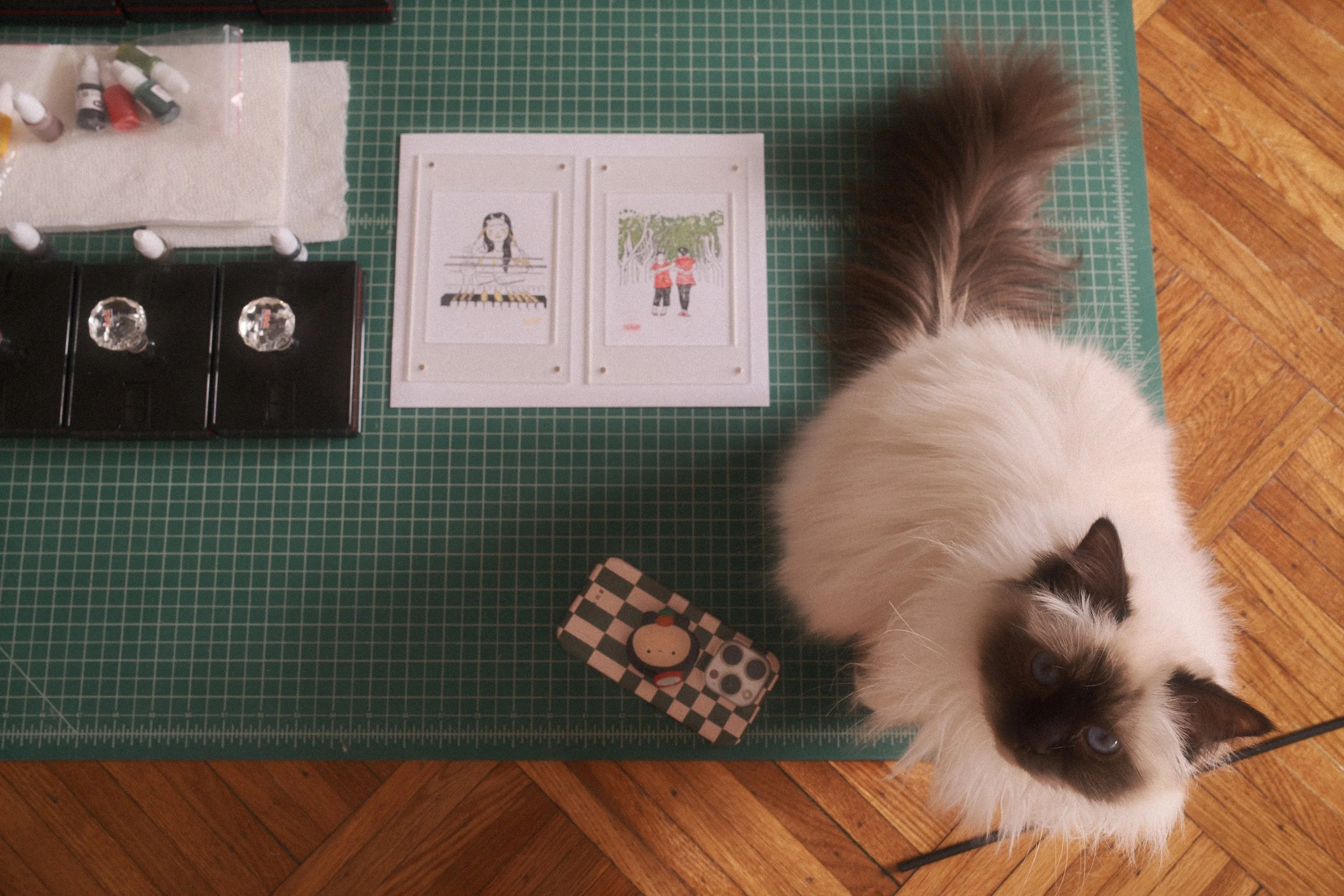
from shanghai to nyc
While China is the birthplace of woodblock printing (dating back to the Tang Dynasty, c. 618–907 AD), the linocut is a relatively modern "cousin" that arrived in China as part of a radical 20th-century art revolution.
During the Second Sino-Japanese War and the Chinese Civil War, printmaking became the most important visual medium in China.
Portability: Artists could carry blocks and paper in a backpack while fleeing war zones.
Visual Impact: The high-contrast, black-and-white style of linocuts and woodcuts suited the "grim" reality of the era.
Propaganda: Because the medium was cheap and reproducible, it was used to create posters that spoke to a largely illiterate population. The bold lines of a linocut could be understood by a peasant or a soldier just as easily as an intellectual.
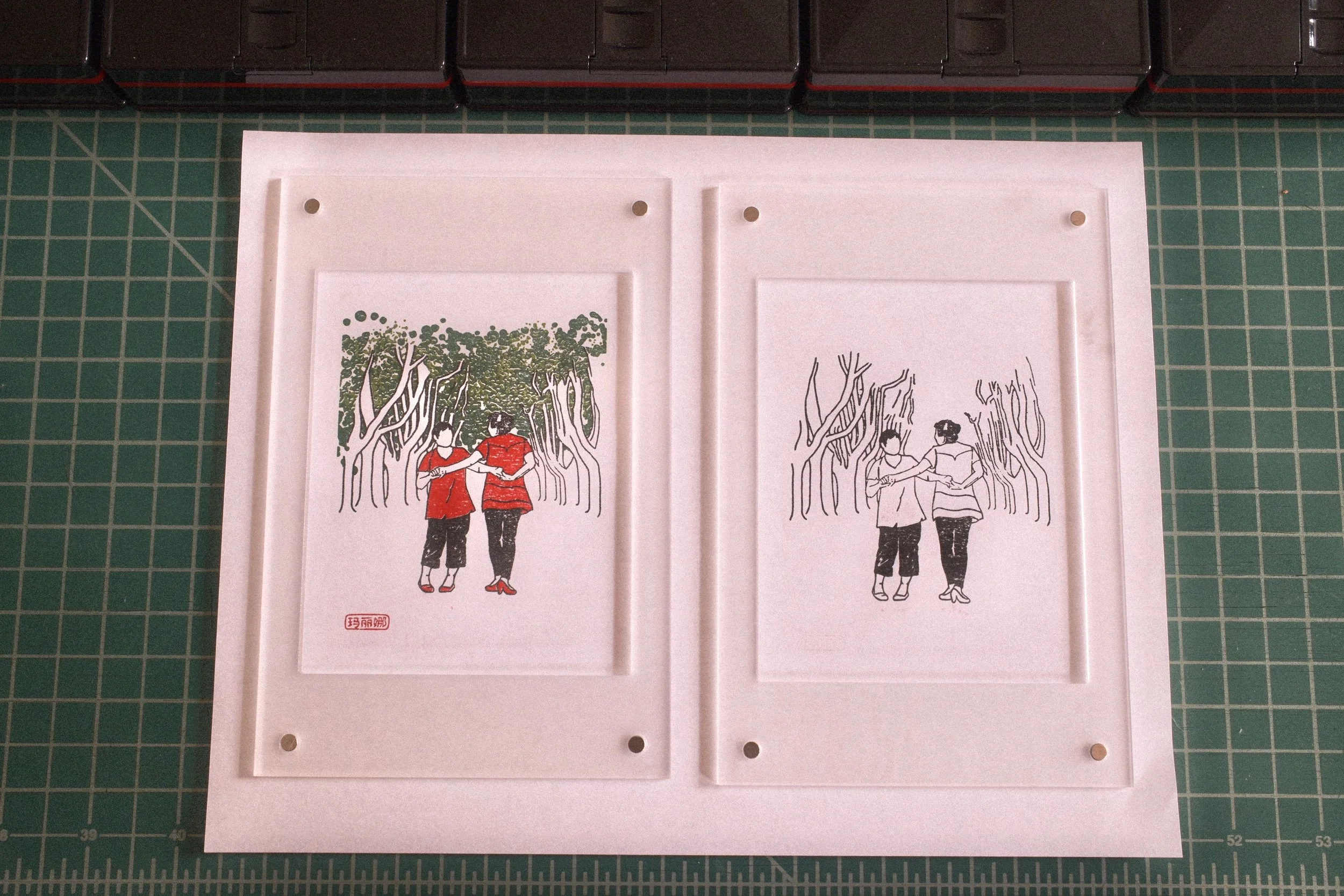
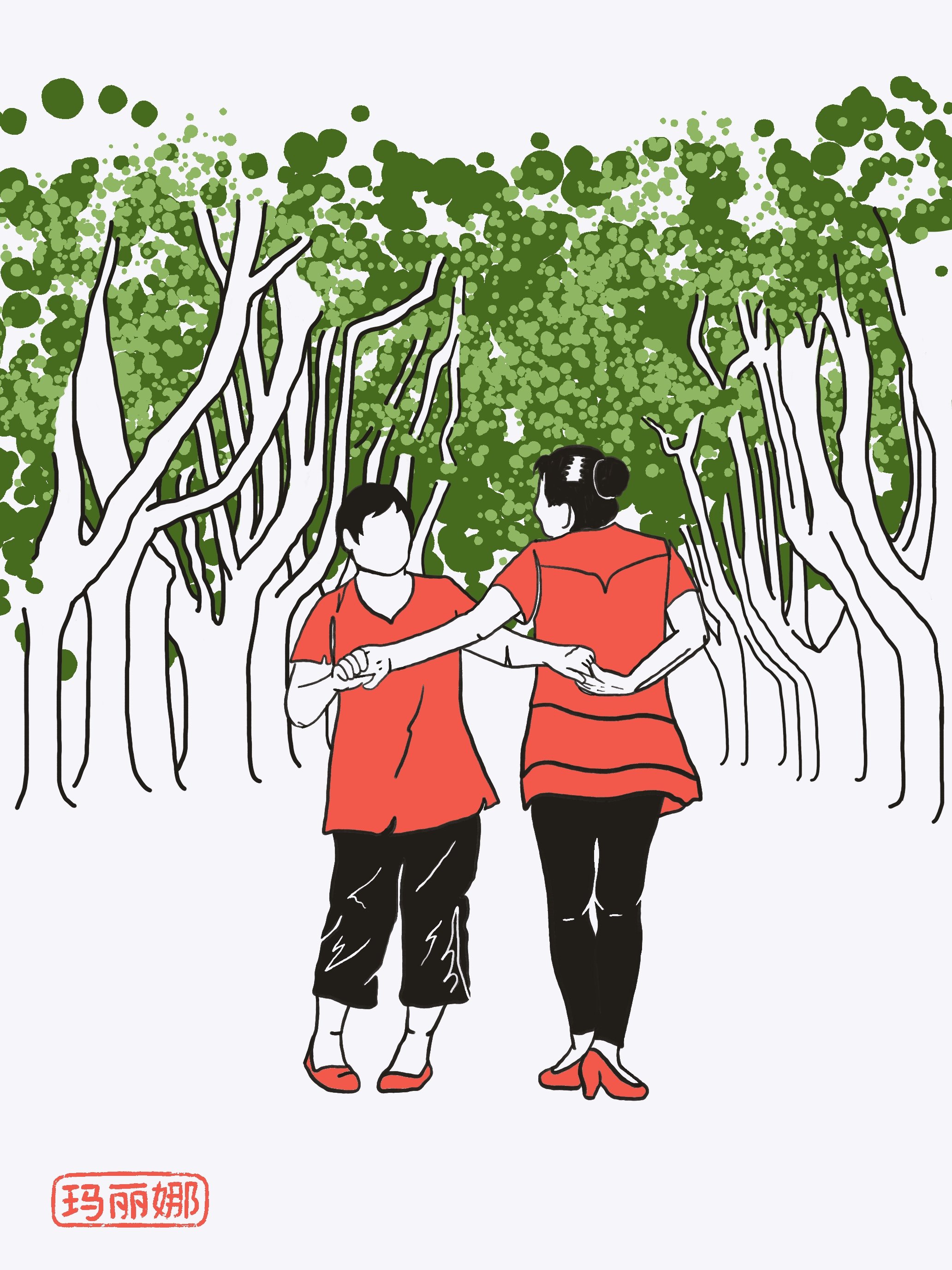
1. Public Square Dancing (Guangchang Wu)
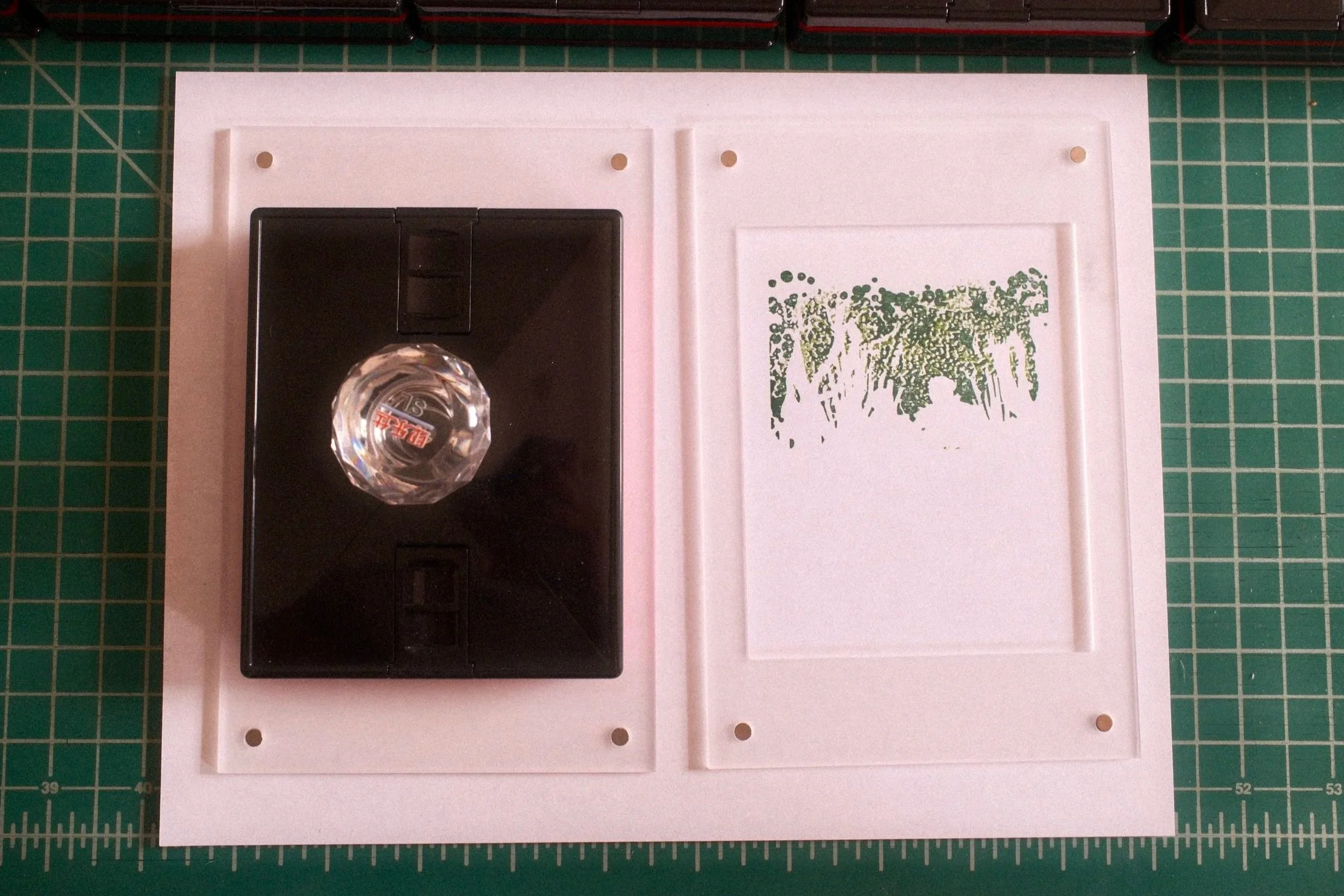
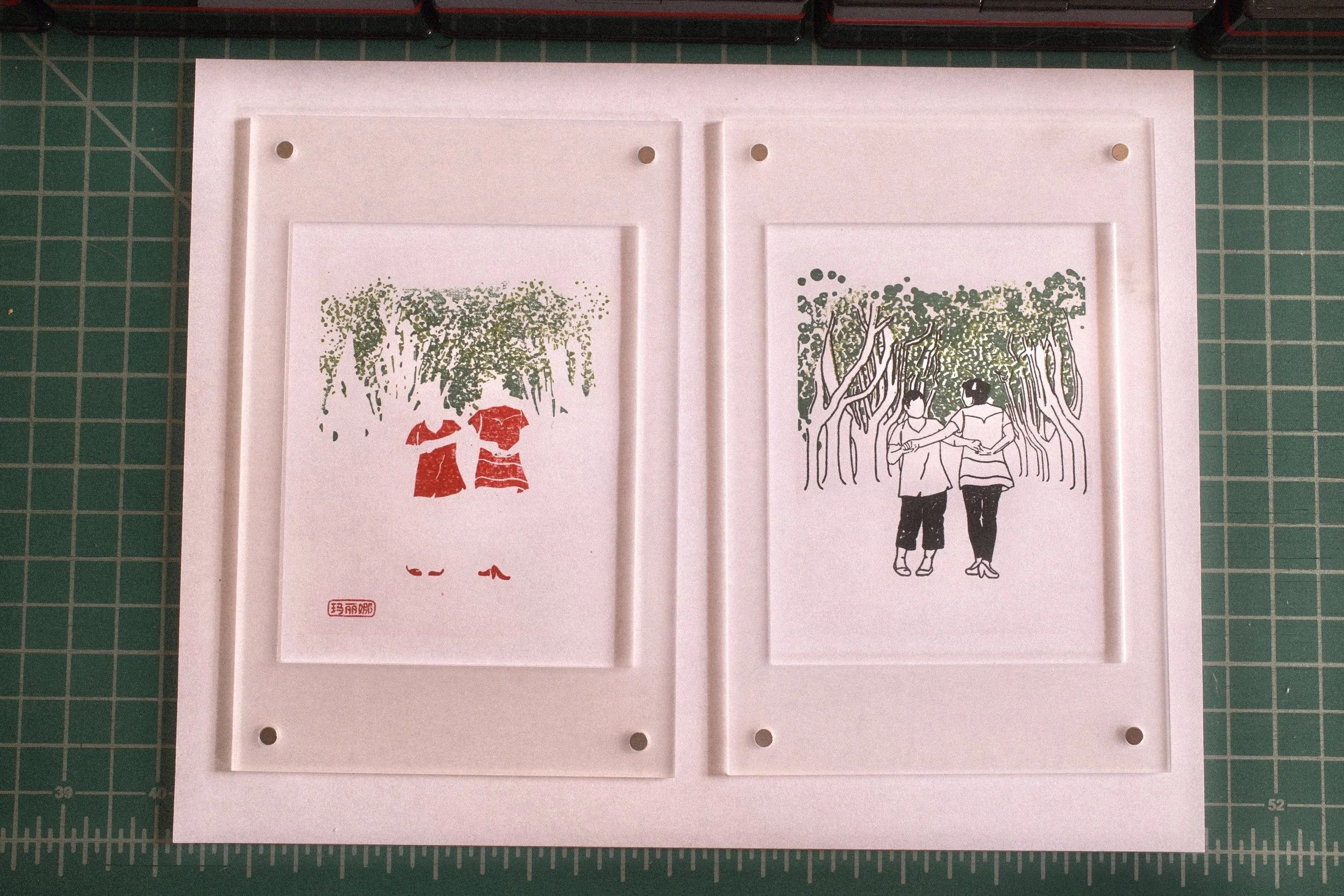
If you walk into a People’s Park in Shanghai on a Saturday, you’ll see "Damu" (older women) and "Dashu" (older men) dancing to high-energy pop or traditional folk music.
Historical Context: This isn't just a hobby; it’s a cultural survival of the Work Unit (Danwei) system. During the Mao era, collective exercise and "loyalty dances" were mandatory. When the state-owned enterprises restructured in the 1990s, millions of workers were laid off.
The "Loneliness" Factor: Public dancing became a way for this "lost generation" to reclaim social space, combat urban isolation, and maintain physical health without expensive gym memberships.
Shanghai Specifics: In Shanghai, you’ll often see Ballroom Dancing (Jiaoyi Wu). This is a legacy of the 1920s and 30s "Old Shanghai" jazz era, which was banned as "bourgeois" during the Cultural Revolution and triumphantly revived in the 1980s.
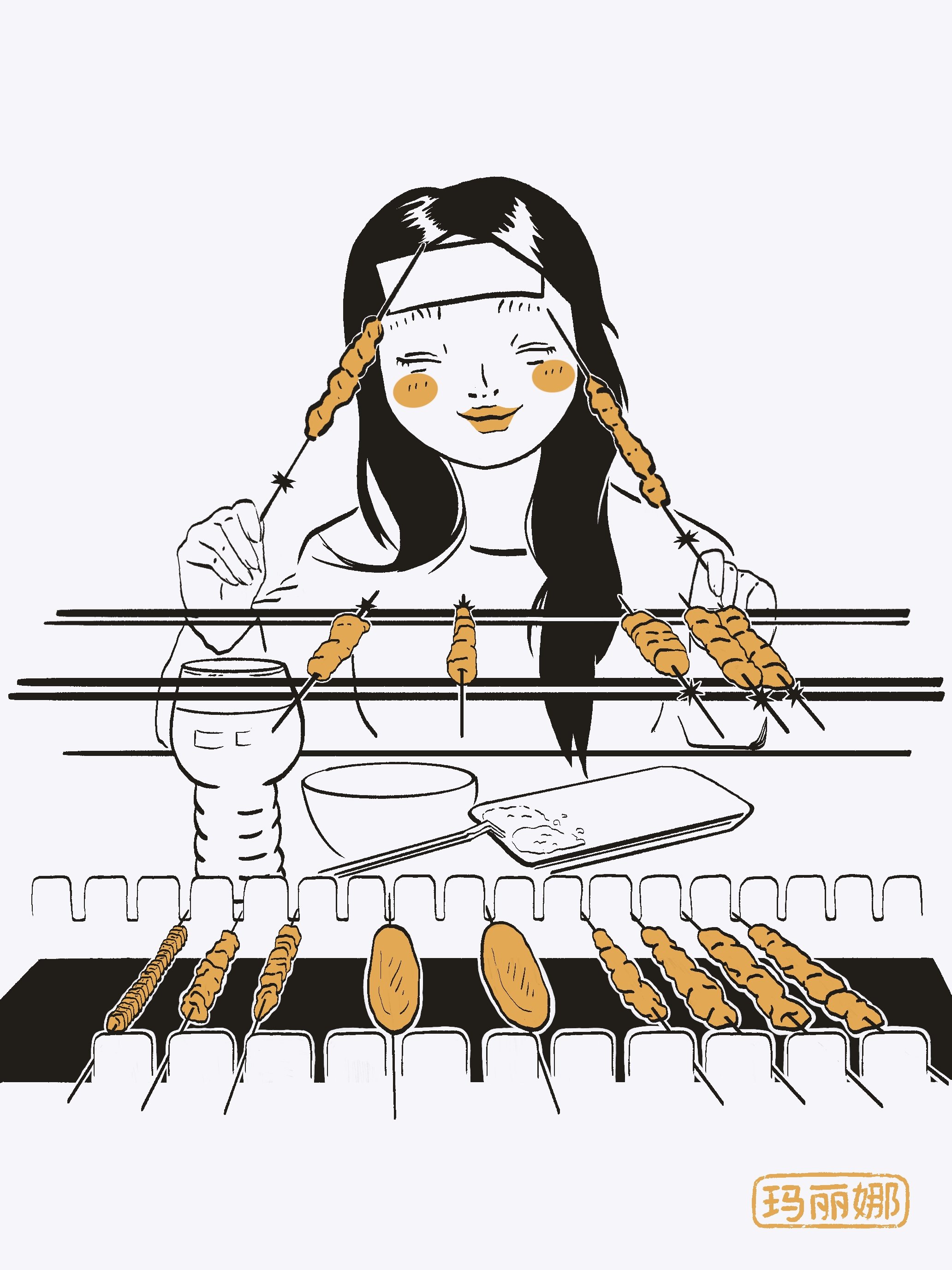
2. Meat Skewers (Chuan’er)
The smell of cumin and chili drifting over a charcoal grill is the quintessential scent of a Chinese night market.
Historical Context: While meat on a stick exists globally, China’s Chuan’er culture originated in Xinjiang with the Uyghur people. These lamb skewers (Yangrou Chuan) traveled along the Silk Road and eventually hit the big cities of the East.
The 1980s Street Food Boom: After the "Reform and Opening Up" policy in 1978, private entrepreneurship was finally allowed. Selling skewers was a low-cost entry point for migrants moving to cities like Shanghai.
Social Ritual: Skewers are the ultimate "equalizer." In the 90s and 2000s, you’d see a businessman in a suit sitting on a tiny plastic stool next to a construction worker, both drinking cheap beer and eating spicy lamb. Today, due to smoke regulations, many of these "hole-in-the-wall" stalls have moved into trendy indoor restaurants, but the "wild" street spirit remains.
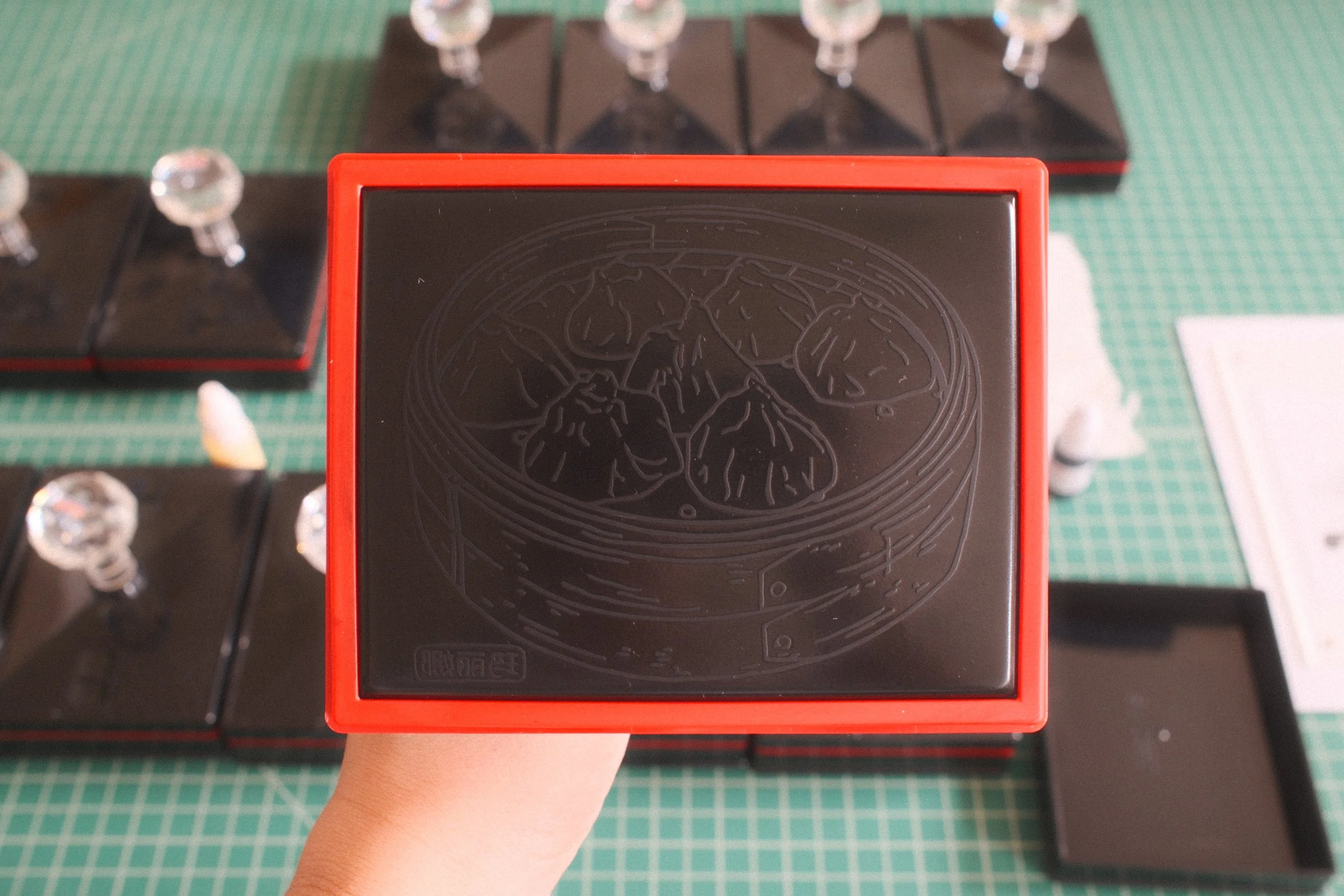
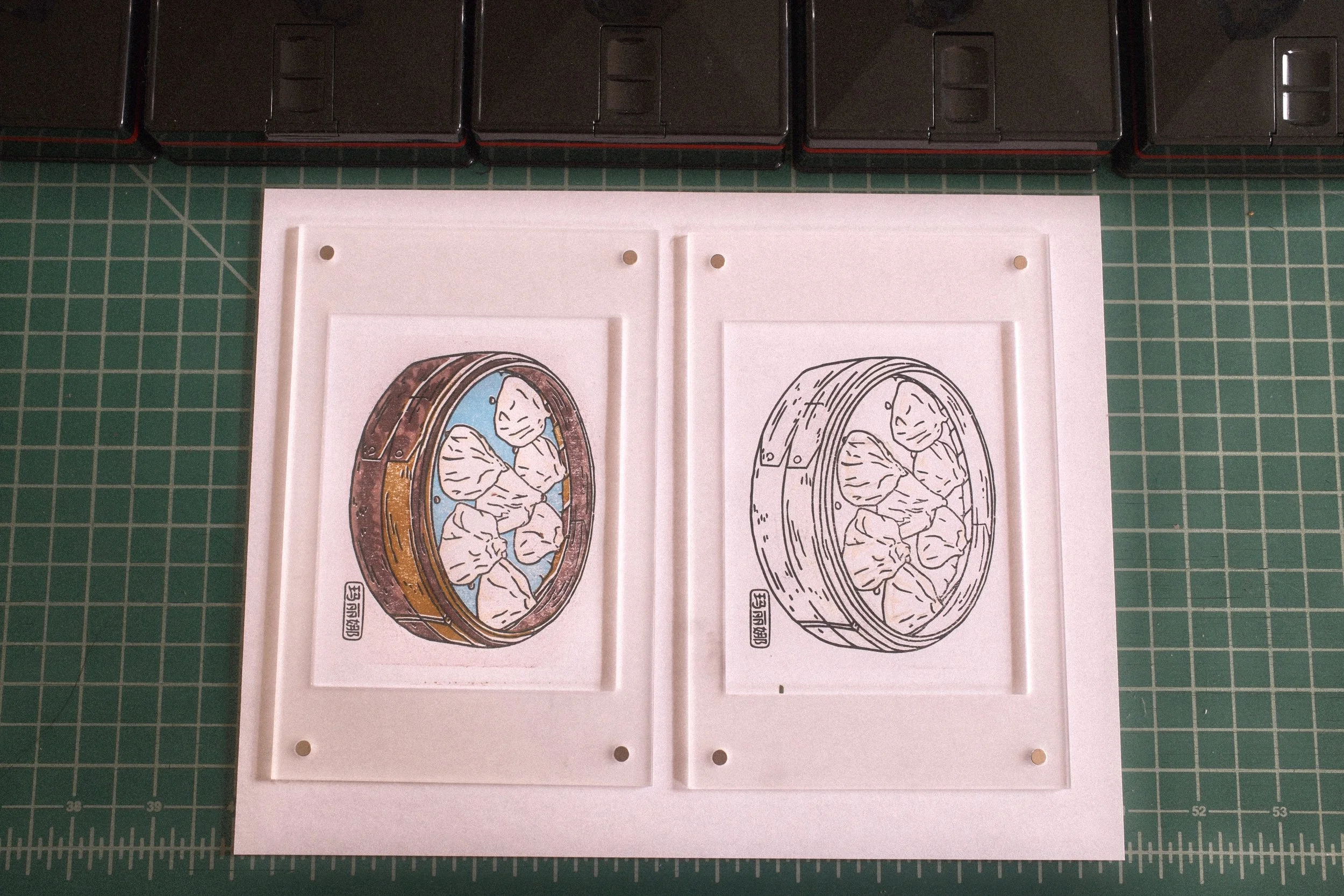
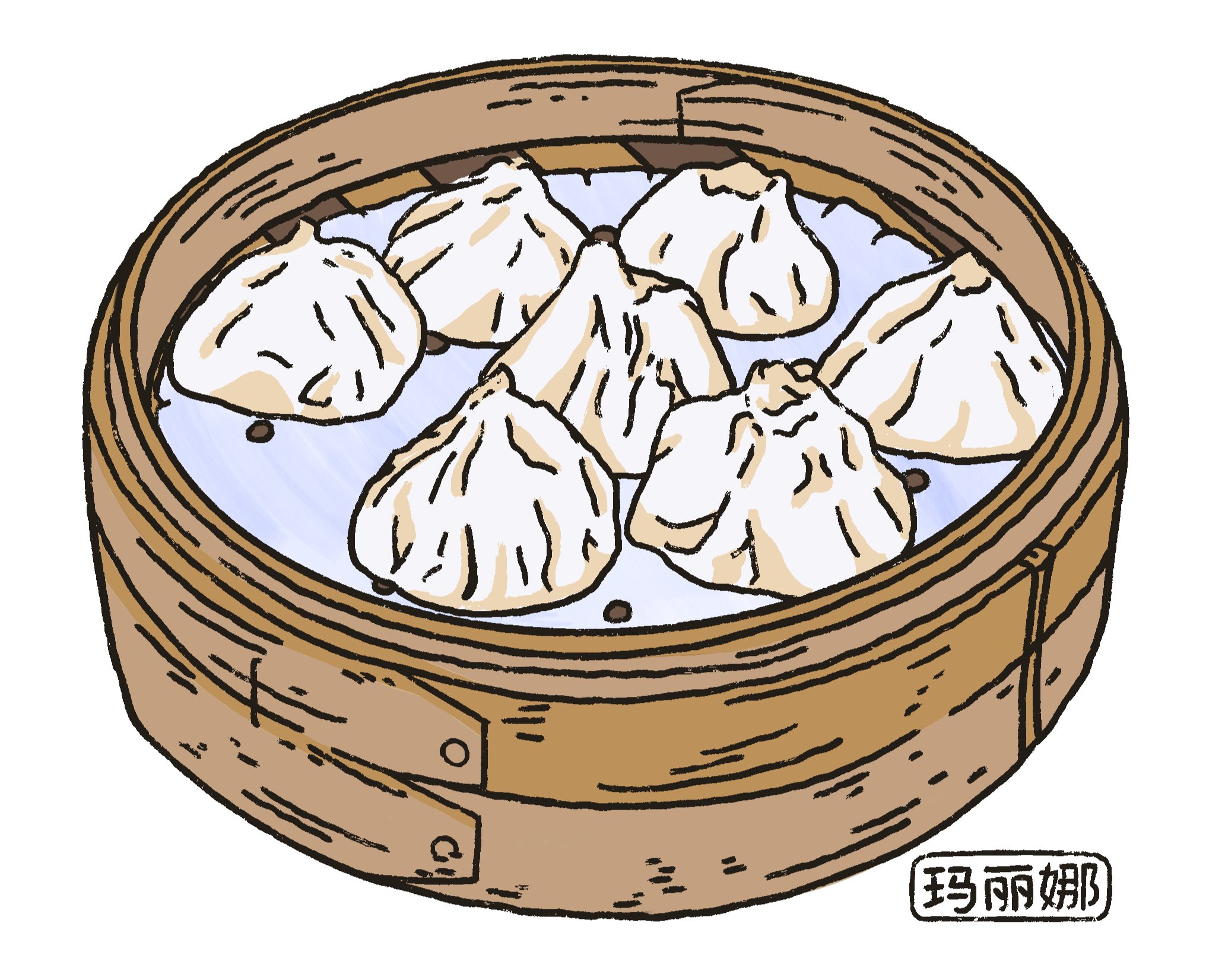
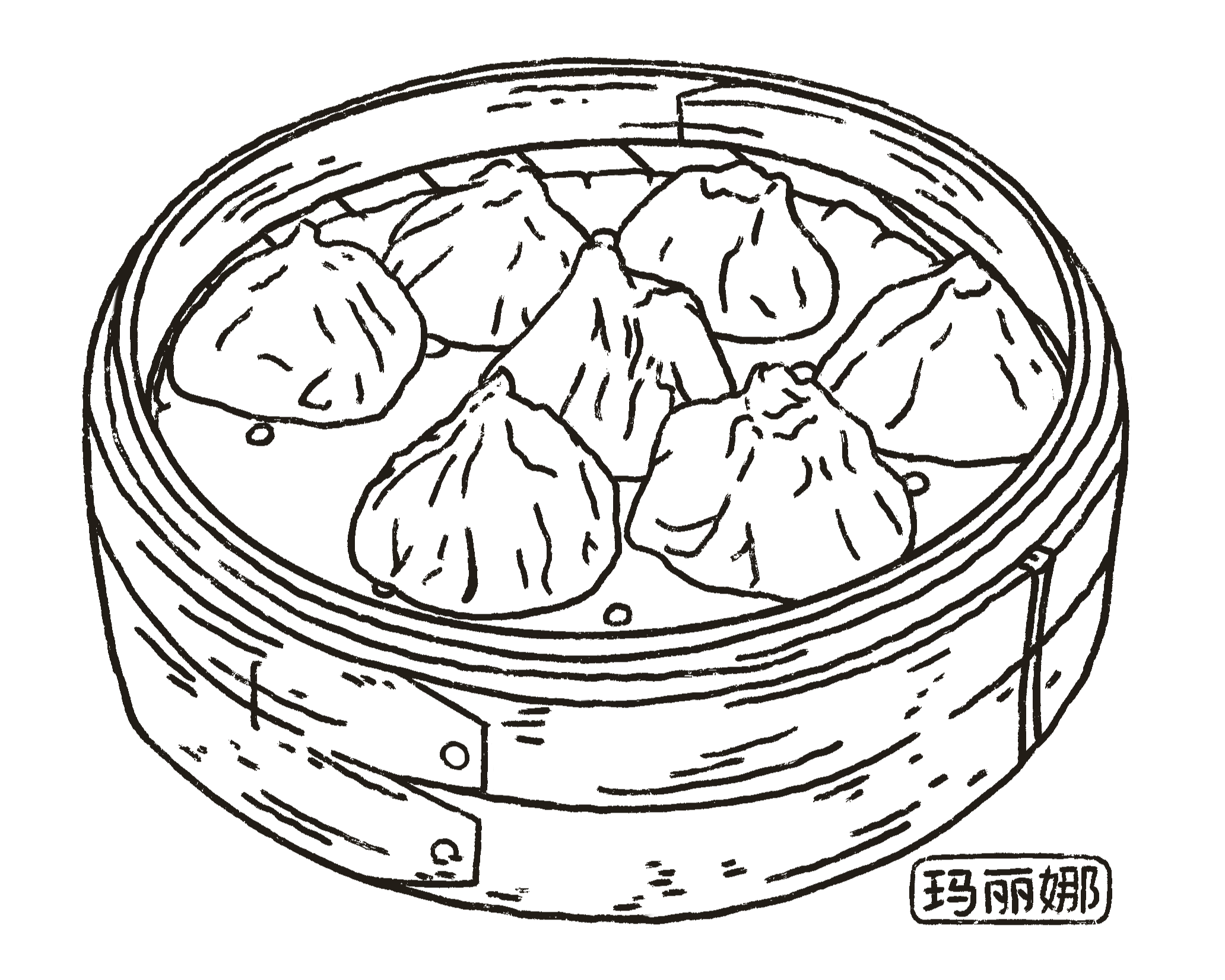
3. Xiao Long Bao (Soup Dumplings)
While often called "dumplings," these are technically a type of small steamed bun (baozi). Shanghai is their undisputed spiritual home.
Origins (Late 19th Century): Legend traces them to a man named Huang Mingxian in Nanxiang, a village now absorbed into suburban Shanghai. He wanted to stand out in a crowded market, so he added "aspic" (meat stock that is solid at room temperature) to the filling. When steamed, the jelly melts into the signature soup.
The Art of the Fold: A classic Xiao Long Bao should traditionally have 18 pleats. This level of craftsmanship turned a simple snack into a culinary art form.
Historical Context: In Old Shanghai, these were "teahouse snacks." During the lean years of the mid-20th century, they were a rare luxury. As China’s economy exploded, so did the "XLB" brand—most notably through global chains like Din Tai Fung, which took a local Shanghai/Jiangsu specialty and turned it into a worldwide obsession.